- Justin Pharmacy, INC 3860 BROADWAY NEWYORK, NY 10032
- [email protected]
- 212-923-6111
Posted On: January 19, 2026
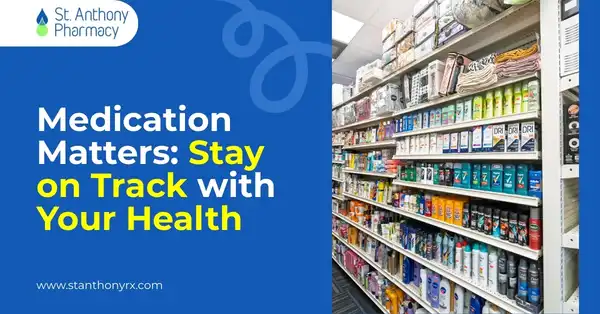
Taking medications as prescribed seems straightforward, yet millions of Americans struggle with it daily. Medication adherence—following your doctor's instructions for taking medicine—plays a critical role in managing health conditions and preventing complications. When patients skip doses, stop treatments early, or take medications incorrectly, the consequences can be serious and costly.
Why Medication Adherence Matters
Poor medication adherence is a widespread problem that affects patient outcomes and healthcare costs. Research indicates that approximately half of all patients fail to follow their prescribed medication schedules, which results in avoidable hospital stays and worsening health conditions.
The impact goes beyond individual health. When patients don't follow their medication regimens:
- Chronic conditions like diabetes, hypertension, and heart disease become harder to control
- Emergency room visits and hospital admissions increase significantly
- Healthcare costs rise by billions of dollars annually
- Recovery times extend, and treatment effectiveness decreases
- Risk of developing drug-resistant conditions grows
For patients managing multiple medications, the challenge becomes even greater. Remembering which pill to take, at what time, and whether it should be taken with food can feel overwhelming.
Common Barriers to Taking Medications Correctly
Understanding why patients struggle with adherence helps address the root problems. Several factors contribute to this issue:
Cost and Access
- High prescription prices force patients to skip doses or avoid refills
- Insurance coverage gaps leave medications unaffordable
- Transportation challenges make pharmacy visits difficult
Complexity of Treatment Plans
- Multiple medications with different schedules confuse patients
- Complicated dosing instructions lead to errors
- Frequent prescription changes disrupt routines
Side Effects and Concerns
- Unpleasant side effects discourage continued use
- Fear of medication interactions causes hesitation
- Lack of immediate results makes patients question effectiveness
Forgetfulness and Lifestyle Factors
- Busy schedules push medication times aside
- Travel and routine changes disrupt regular patterns
- Physical limitations make opening bottles or swallowing pills challenging
How Pharmacies Support Patient Adherence
Pharmacies serve as valuable partners in helping patients stick to their medication plans. Beyond simply filling prescriptions, pharmacists and pharmacy teams offer services designed to support long-term success.
Personalized Consultation and Education
Pharmacists spend time explaining how medications work, when to take them, and what to expect. This one-on-one guidance helps patients understand why their treatment matters. A knowledgeable New York City pharmacy can answer questions about drug interactions, side effects, and proper storage, giving patients confidence in their treatment plans.
Medication Synchronization
Many pharmacies now offer "med sync" programs that align all prescription refills to the same date. Instead of making multiple trips throughout the month, patients pick up everything at once. This convenience reduces missed refills and simplifies medication management.
Reminder Systems and Tools
Modern pharmacies use technology to keep patients on track:
- Text message or phone call reminders when refills are due
- Automated refill services that prepare medications before patients run out
- Mobile apps that send dose reminders and track medication schedules
- Pill organizers and packaging systems that sort medications by day and time
Home Delivery Services
For patients with mobility issues, transportation challenges, or busy schedules, home delivery removes a major barrier. Receiving medications at your door makes it easier to maintain consistent treatment, especially for those managing chronic conditions.
Accessible Communication
Having a trusted pharmacist to call with questions provides peace of mind. Whether concerns arise about new symptoms, potential interactions, or confusion about instructions, pharmacists offer expert guidance without the wait for a doctor's appointment.
Insurance and Cost Assistance
Pharmacists help navigate insurance coverage, find generic alternatives, and identify patient assistance programs. When cost creates a barrier, pharmacy teams work to find affordable solutions so patients can access necessary medications.
Building Better Medication Habits
While pharmacies provide excellent support, patients also benefit from developing their own adherence strategies:
- Set daily alarms or link medication times to regular activities like meals
- Keep medications visible in frequently visited spots (safely away from children)
- Use a pill organizer to track daily doses
- Maintain open communication with both doctors and pharmacists about challenges
- Ask questions whenever instructions seem unclear
Conclusion
Medication adherence directly affects health outcomes, quality of life, and healthcare costs. The challenges are real, but solutions exist. Pharmacies play an active role in supporting patients through education, convenient services, and personal attention.
For over 20 years, St. Anthony Pharmacy has served the Manhattan community as a trusted New York City pharmacy, offering same-day delivery, compounding services, and personalized care. Their team understands that successful treatment requires more than just filling prescriptions—it requires partnership, support, and commitment to each patient's health journey. When patients and pharmacies work together, staying on track with medications becomes achievable, leading to better health and brighter outcomes.
Frequently Asked Questions
Q: What should I do if I miss a dose of my medication?
A: Don't double up on your next dose. Contact your pharmacist or doctor for specific guidance, as the answer depends on the medication type and how much time has passed. For some medications, you can take the missed dose as soon as you remember, while others should be skipped. Your pharmacy can provide clear instructions based on your specific prescriptions.
Q: How can I remember to take my medications if I have a complicated schedule?
A: Try linking your medication times to daily routines like brushing your teeth or eating breakfast. Use smartphone alarms, pill organizers with compartments for each day, or pharmacy apps that send reminders. Many pharmacies also offer blister packaging that organizes pills by date and time, making it easier to track what you've taken.
Q: What should I do if my medication is too expensive?
A: Talk to your pharmacist immediately—don't simply stop taking your medication. Pharmacists can often suggest lower-cost generic alternatives, help you apply for manufacturer assistance programs, or work with your doctor to find therapeutic substitutes. Some pharmacies also offer discount programs or can split prescriptions into smaller quantities to spread out costs.
Article Author

Arobit
Blog Admin
Tags
Latest Posts
-

Why Some Diabetes Patients Benefit from Compounded Medications Alongside Standard Supplies
-
When OTC Products Are Not Enough: How Compounding Pharmacies Fill the Gap
-

Finding a Trusted Compounding Pharmacy in Manhattan: What to Look For
-
Personalized Minoxidil Compounding for Hair Loss Treatment in New York City
-

Managing Thyroid, Diabetes, and Heart Conditions With Personalized Pharmacist Support at St. Anthony Pharmacy
Similar Posts
-
Why Some Diabetes Patients Benefit from Compounded Medications Alongside Standard Supplies
-
When OTC Products Are Not Enough: How Compounding Pharmacies Fill the Gap
-
Finding a Trusted Compounding Pharmacy in Manhattan: What to Look For
-
Personalized Minoxidil Compounding for Hair Loss Treatment in New York City
-

How St. Anthony Supports the Health Needs of the Local New York Community