- Justin Pharmacy, INC 3860 BROADWAY NEWYORK, NY 10032
- [email protected]
- 212-923-6111
Posted On: January 06, 2026
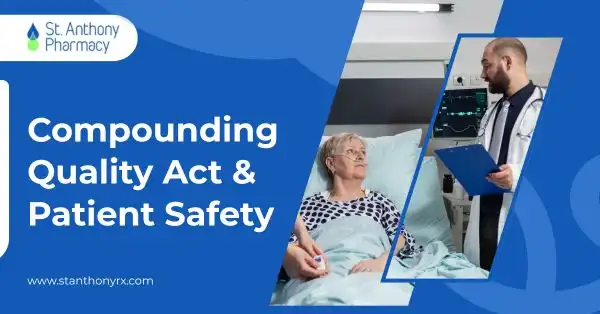
In 2013, the United States faced a pharmaceutical crisis that changed the industry forever. The FDA implemented the Compounding Quality Act following a devastating fungal meningitis outbreak in 2012. Contaminated steroid injections from a Massachusetts compounding facility spread across 20 states, causing more than 750 infections and claiming 64 lives. This tragedy exposed serious gaps in how compounded medications were regulated and monitored.
What Is the Compounding Quality Act?
The Compounding Quality Act represents one of two major components of the Drug Quality and Security Act (DQSA), signed into federal law in November 2013. This legislation was created to establish clear safety standards for drug compounding practices across the country. These standards ensure patients receive safe, personalized medications that can reduce unwanted side effects.
The Act's primary goals include:
- Establishing federal oversight for large-scale compounding operations
- Setting strict quality control requirements for sterile medications
- Creating clear distinctions between traditional pharmacy compounding and manufacturing
- Protecting patients from contaminated or substandard medications
Core Requirements for Compliance
Compounding facilities must now meet specific standards to operate legally:
- FDA Registration: Outsourcing facilities must register with the FDA and submit to regular inspections
- Current Good Manufacturing Practices (cGMP): Adherence to the same manufacturing standards required for pharmaceutical companies
- USP Standards: Compliance with United States Pharmacopeia guidelines for sterile compounding, particularly USP <795> and USP <797>
- Adverse Event Reporting: Mandatory reporting of any complications or safety concerns to federal authorities
- Product Testing: Regular quality testing and contamination screening for compounded preparations
- Facility Standards: Specific requirements for cleanroom environments, air quality, and sterile technique protocols
The Crisis That Changed Everything
Before 2013, compounding pharmacies operated with minimal federal oversight. Traditional compounding involved pharmacists creating customized medications for individual patients based on specific prescriptions. Over time, some facilities began producing medications in large quantities, similar to pharmaceutical manufacturers, but without the same regulatory scrutiny.
The New England Compounding Center (NECC) in Massachusetts operated as a compounding pharmacy while functioning more like a drug manufacturer. In September 2012, patients who received steroid injections for back pain began developing fungal meningitis. The contamination came from methylprednisolone acetate produced in unsanitary conditions.
The outbreak resulted in:
- 751 confirmed infections across 20 states
- 64 deaths
- Hundreds of patients with permanent neurological damage
- Criminal charges against pharmacy executives
- Congressional investigations into regulatory failures
Government Response and Action
Following the outbreak, Congress moved quickly to address the regulatory gaps. The House and Senate held multiple hearings throughout 2013, hearing testimony from victims, healthcare providers, and regulatory experts. By November 2013, lawmakers had drafted and passed the Drug Quality and Security Act with bipartisan support.
The legislation granted the FDA clear authority to oversee large-scale compounding operations and established a new category of facilities called "outsourcing facilities" under Section 503B.
Who the Act Affects
503A Compounding Pharmacies
Traditional compounding pharmacies in NYC and nationwide fall under Section 503A. These facilities:
- Must prepare medications only after receiving patient-specific prescriptions
- Remain primarily under state pharmacy board oversight
- Cannot compound in large batches for office use
- Must follow state regulations and USP compounding standards
- Face FDA inspection only if safety concerns arise
503B Outsourcing Facilities
Larger compounding operations register as 503B facilities. They:
- Can produce medications in bulk without individual prescriptions
- Must register with the FDA and pay annual fees
- Follow the same cGMP standards as drug manufacturers
- Supply hospitals, clinics, and healthcare facilities
- Submit to regular FDA inspections and reporting requirements
Healthcare Providers and Patients
Doctors, nurses, and patients benefit from increased transparency. The FDA maintains a public registry of registered outsourcing facilities, helping healthcare providers make informed decisions about medication sources. Patients can verify whether their compounding pharmacy in NYC operates under appropriate oversight.
Real Benefits for Patient Safety
The Compounding Quality Act has delivered measurable improvements:
Enhanced Safety Protocols
- Mandatory sterile processing environments
- Regular contamination testing
- Validated cleaning and sterilization procedures
- Staff training requirements
Quality Assurance
- Consistent medication potency and purity
- Standardized production methods
- Documented batch records
- Product stability testing
Transparency and Accountability
- Public searchable database of registered facilities
- Required adverse event reporting
- Regular FDA inspections
- Clear chain of custody for ingredients
How the FDA Enforces Standards
The FDA oversees compliance through several mechanisms:
- Facility Inspections: Regular on-site reviews of compounding operations, cleanrooms, and documentation
- Risk-Based Oversight: Focusing resources on high-risk sterile preparations
- Warning Letters: Issued to facilities with violations, requiring corrective action plans
- Enforcement Actions: Product recalls, facility closures, or criminal referrals for serious violations
- Guidance Documents: Publishing clear standards and best practices for the industry
Facilities found in violation face consequences ranging from warning letters to complete shutdown, depending on the severity of safety issues.
Frequently Asked Questions
Q: How can I tell if my compounding pharmacy follows these standards?
A: Ask your pharmacy whether they're registered as a 503A or 503B facility. You can also check the FDA's registry of outsourcing facilities at FDA.gov to verify 503B registration. Licensed pharmacies should willingly share their compliance credentials.
Q: Are compounded medications less safe than regular prescriptions?
A: When prepared by compliant facilities following the Compounding Quality Act standards, compounded medications meet strict safety requirements. The Act significantly reduced risks by establishing clear guidelines and oversight.
Q: What should I do if I have concerns about a compounded medication?
A: Contact your pharmacist immediately with any concerns. You can also report issues to the FDA through their MedWatch program. Your healthcare provider can help assess any symptoms or complications.
Q: Does the Act apply to all compounding pharmacies?
A: Yes, all compounding pharmacies must follow either 503A or 503B requirements, depending on their operation type. State pharmacy boards also maintain additional oversight and licensing requirements.
Q: How often are compounding facilities inspected?
A: 503B outsourcing facilities face regular FDA inspections, typically every two years or more frequently if concerns arise. 503A pharmacies are primarily monitored by state boards but may receive FDA inspection if safety issues are reported.
Trust Matters in Compounding
The Compounding Quality Act represents a commitment to patient safety that affects every customized medication prepared in the United States. Whether you need a specialized prescription from a compounding pharmacy in NYC or anywhere else, you can have confidence that federal and state oversight works to protect your health.
At St. Anthony Pharmacy, we've proudly served the Manhattan community for over 20 years with a commitment to these exact safety standards. Our team understands that personalized medications require both expertise and rigorous quality controls. When you choose a local compounding pharmacy that prioritizes compliance and patient care, you're making a decision that directly impacts your health and well-being.
Article Author

Arobit
Blog Admin
Tags
Latest Posts
-
Why Some Diabetes Patients Benefit from Compounded Medications Alongside Standard Supplies
-
When OTC Products Are Not Enough: How Compounding Pharmacies Fill the Gap
-
Finding a Trusted Compounding Pharmacy in Manhattan: What to Look For
-
Personalized Minoxidil Compounding for Hair Loss Treatment in New York City
-
Managing Thyroid, Diabetes, and Heart Conditions With Personalized Pharmacist Support at St. Anthony Pharmacy
Similar Posts
-
Managing Thyroid, Diabetes, and Heart Conditions With Personalized Pharmacist Support at St. Anthony Pharmacy
-

Compounding Pharmacy: 503A vs 503B Explained
-

Top 5 Benefits of Choosing a Community Pharmacy in Manhattan Over Big Chains
-
Why Manhattan Residents Prefer Local Compounding Pharmacies for Personalized Care